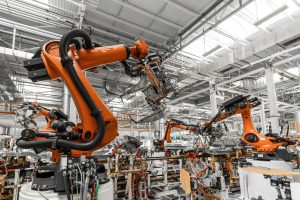
5 things machinist need to learn, CNC machining is now used in so many different fields of manufacturing, the machinist needs to be knowledgeable in a variety of materials, programs, and tools. Being excellent at your work, a great machinist does more than machine parts. They dedicate time and commitment to the industry as it expands and changes. A machinist proficient with tools, such as drilling, cutting, and stamping, will now find themselves working more often with machines. Although machines enable precision with a variety of materials, machinists will always have the most important job. Ensuring the end product is delivered with client needs and superior design in mind is the role of the machinist. These are the skills every machinist needs to ensure quality manufacturing in a reputable shop.
Assess and Review
One of the most important skills for every machinist is the ability to read and comprehend illustrations and blueprints. This knowledge leads the direction of how the part should be machined. While CNC technology can ensure precise cutting, allow large-scale production, and reduction of scrap work, they are still only machines. It is the responsibility of the machinist to know how to translate a design into the set up on the CNC machine to l mill the part. On completion, a good machinist will review the results of their programming to ensure that they are correct, and then run through simulation software.
Tool Selection
The difference in cost when purchasing tooling is more than just budget. A machinist has the hands-on knowledge to assess performance and efficiency. For instance, purchasing an end mill at double the cost of other options will cut faster and also last ten times longer. Such a decision could mean the difference between making money and losing money. A good machinist should also be familiar with how to utilize all the various tools and materials required to machine parts. A broad scope of skills like screw machining, metal-forming, drilling, and laser cutting, for example, helps assess the correct tool for each project. Additionally, a good machinist is capable of using measurement tools, like micrometers or calipers, to properly feed the CNC machine. Small hand tools and jigs, or machines the size of a room, all must fall under the expertise of a machinist.
Strategy
Before machining, a good machinist will carefully strategize and consider how their craftsmanship will further the success of the finished product. They must assess the most appropriate tooling and know-how to organize their workload before accurately setting up the CNC machine. A good machinist needs to be alert to find, investigate and fix errors that occur during the machining process. They should always be looking for ways to increase the productivity of the CNC procedure as well. Generally speaking, programming a machine is the easy part. Creating a fixture and choosing the right tool to do the job efficiently is not as easy. Depending on the job it may require particular fixtures, clamps, jigs, or something foreign, to hold the part in position. The stricter the tolerances, the greater the fixture has to be. If a tool/fixture must be purchased, the cost must be assessed for the overall value as discussed above.
Safety & Maintenance
Care and cleaning of machines and shops can never be overlooked. A good machinist will always take the lead to make sure that the utilized machine is in good condition. Machinists are not just CNC operators; they aim to protect their machines from problems. Lack of care could cause damage to the machine, decrease the efficiency of production, or present a safety hazard. A regular maintenance routine is the sign of a quality machinist..
Teamwork
A good machinist has an open mindset and is always willing to learn and take advice. Machine shops operate the best when the team helps one another out. In a quality team shop, each machinist knows there is always someone who t knows more about a particular approach, a tool, or a machine. Receiving instruction, or redirection should be accepted as an opportunity to become even more expert in their work.
Whether you are perfecting your skills or interested in becoming a machinist in the future, consider these skills every machinist needs in your daily routines as a key to your success. Becoming an expert machinist is taking pride in every aspect of your work.