
6 Effective Factors That Contribute to Material Damage in CNC Machining.

Share

cnc machine shop in toronto Factors contributing to material damage

Material damage during CNC machining can have expensive repercussions that affect the operations. Small errors or flaws in the finished product could require costly rework or Scrap.

Dealing with mechanical or operator challenges in CNC machining is crucial for preventing material damage and should be taken seriously, 

We’ve asked 17 industry professionals to share what they’ve learned over the years, their advice to those trying to find their way into cnc machining.

In this article, we go over the causes of material damage in CNC machining and offer helpful suggestions to lessen its effects.

So what is  Material damage in a CNC machine shop? Property damage entails the loss or harm of physical assets like machinery, equipment, or tangible property, caused by negligence, intentional harm, or natural occurrences.

1. Tool Wear.

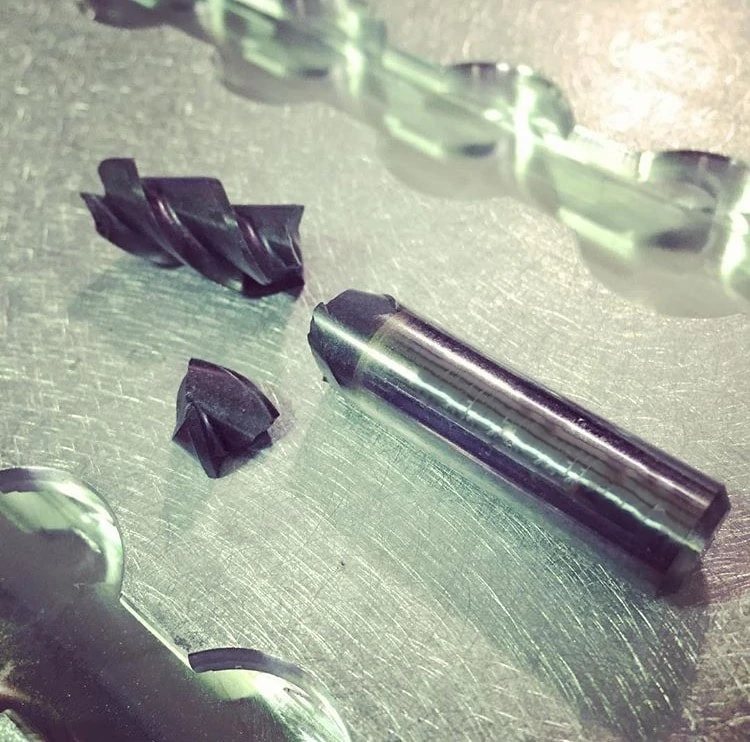
A common cause of material damage in CNC machining. Is the cutting tool that we use. As the tool wears, it can produce a less accurate and less precise cut, resulting in defects in the finished part. To minimize the impact of tool wear, it’s important to regularly check and replace worn tools and invest in high-quality cutting tools that are designed to withstand the demands of CNC machining.

2.  Machine Errors.

To minimize the impact of machine errors, it’s important to regularly maintain and calibrate the machine, train operators on the proper use of the machine, and have a robust quality control process in place to catch any errors before the finished parts are shipped to the customer.

3. Machine Operator.

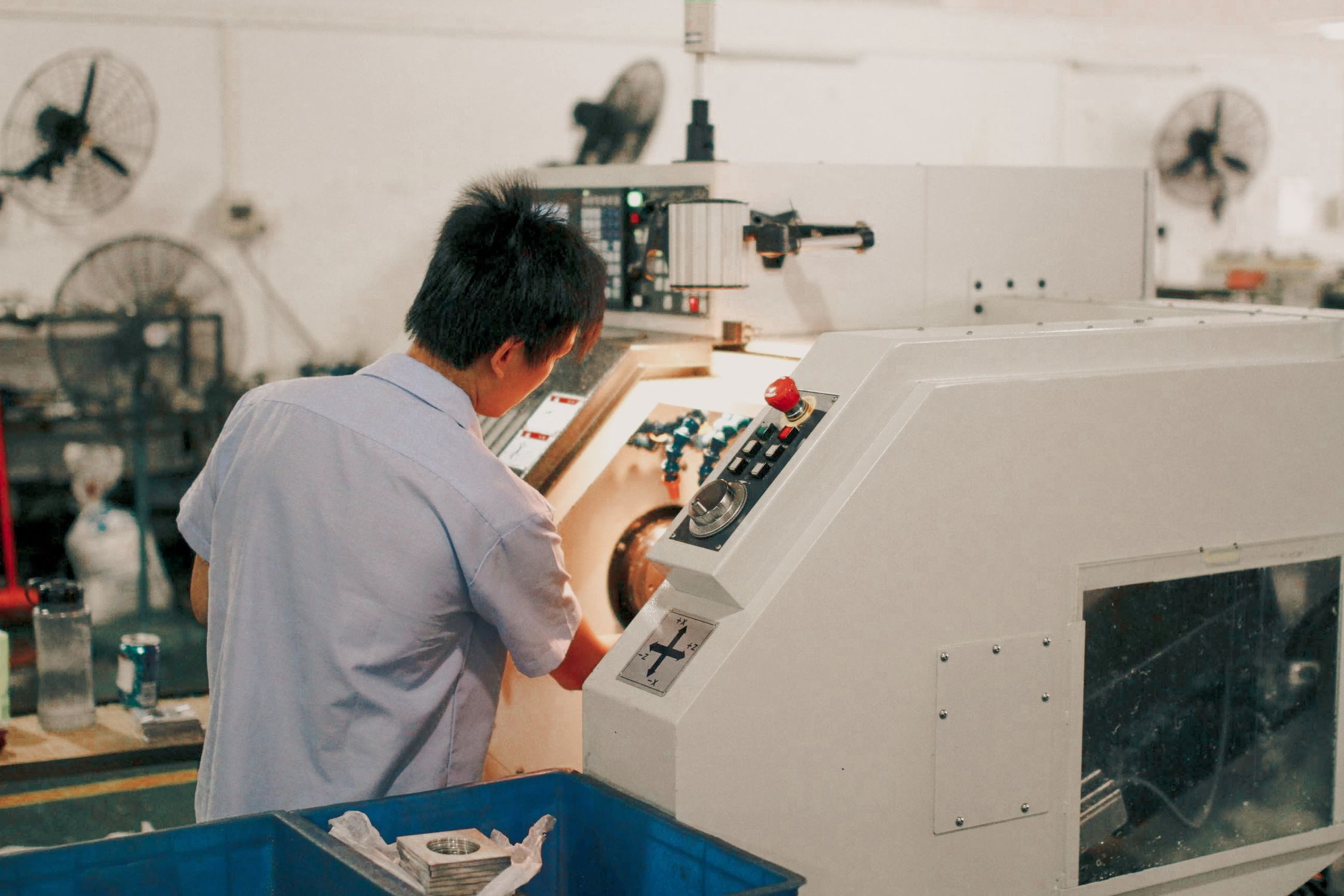
Machine Operators play a crucial role in CNC machining, as their expertise and attention to detail are essential for preventing material damage, From Material preparation, Programming, Inspection and shipping.

4. Material Properties.

The properties of the material being machined can also contribute to material damage. for example, some materials are prone to warping or chipping during the machining process, it’s important to select appropriate clamping and fixturing to avoid these issues, additionally, a proper cutting tool like carbide is better suited to cutting tougher materials and can last for a long time.

5. Process Parameters.

The machining process itself can also contribute to material damage. Factors such as cutting speed, feed rate, and depth of cut can all impact the quality of the finished part. To minimize the impact of process parameters, it’s important to optimize the machining process for the specific material and cutting tool being used. This can involve experimenting with different process parameters and monitoring the results to find.

6. Workholding.

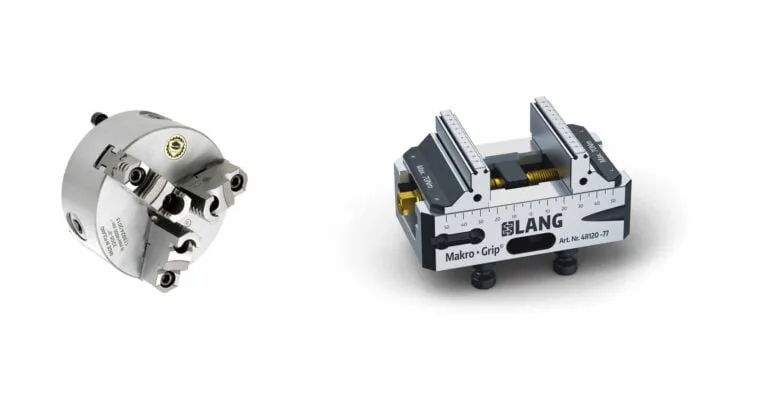
If the workpiece is not securely held in place, it can move or distort during the machining process, resulting in defects in the finished part. To minimize the impact of poor work holding, it’s important to use the appropriate clamping and fixturing techniques for the specific material and machining operation being performed. It’s also important to regularly check and maintain the work-holding system to ensure that it is in good working condition.

See the below Diagram for more visual understanding.

cnc machine shop Factors contributing to material damage

Keep in mind that these techniques complement your team’s efforts and applying them collectively often yields superior outcomes. Enhancing your skills is an excellent method to gain more experience and expand your expertise in the field. 

You may also like

cnc precision machine shop lathe milling

Subscribe to our newsletter

Newsletter Form (#8)