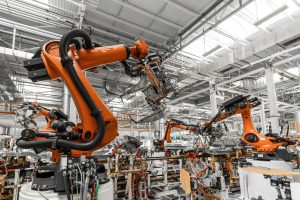
Just-in-Time (JIT) manufacturing has been a growing trend since the 1970’s when it was perfected by Toyota (originally called the Toyota Production System or TPS). Although there are many critical parts involved in JIT manufacturing, the overall premise stems from Kaizen continuous improvement business practices and the specific approach to minimal inventory and less waste. Since the method was created by a car manufacturer, where much of the assembly is automated fabrication like a modern machine shop, the question isn’t, “is just-in-time manufacturing for a machine shop viable?” but, rather, is it meant for yours?
How it Works
Just-in-time manufacturing relies on streamlined systems and processes both internal and external to your business. The first step in implementing a JIT model is to assess and tighten your manufacturing processes. Relying on a LEAN manufacturing approach you must continually adjust to perfect your efficiencies. Once you have a good foundation you can begin to work with outside sources to meet your benchmarks. From design to delivery, you must track each step of the process to understand when raw material delivery is required. This allows you to develop relationships with trusted suppliers to meet your delivery schedule. Their lead times and your scheduling must work in harmony.
Investment – Assessment may reveal production bottlenecks and upgrades that require financial investment in equipment upgrades, Inventory management software, or robotics. Since each step of manufacturing is critical in a JIT business model, not only do you need to implement a detailed workflow through technology and quality equipment, but you also need investment from staff. People are a key factor in the JIT inventory and manufacturing approach. Clear communication and effective training are always worth the time and investment with staff. Robots and AI can do only so much. People are still the backbone of any quality machine shop.
Communication – Internal communication can’t be the end of data exchange. Transparency and constant communication with suppliers are paramount to the success of JIT. Working with local manufacturers in small lots tends to best service the JIT model. Guaranteed quality from trusted suppliers takes the step out of testing raw materials before use. Lead times and forecasting need consistent monitoring. Communication is also key with customers. Their production demands will dictate much of your operation but critical deadlines versus dream delivery dates benefit all parties with smooth production and delivery schedules.
Advantages
The first advantages are apparent with less cash tied up in inventory, less waste in raw stock that may not be used or finished parts that may not be purchased, and less warehousing space. Developing LEAN manufacturing principles also means gaining efficiencies in production, improving customer service, and reducing shipping costs, emissions, and shipping delays while supporting the immediate economy with local suppliers. Creativity and innovation are also added benefits when collaborating with partners and staff in improving systems and processes.
Disadvantages
The biggest risk factor in just-in-time delivery is the instance of any supply chain default. This affects the production scheduling of potentially many projects in your shop, but also those of your other suppliers and customers. Some factors, such as natural disasters, are unavoidable and this is where some contracts with long-distance suppliers may be of benefit. Other disadvantages may include Higher prices due to time-sensitive delivery or unexpected changes affecting overall profit margins. Forecasting errors and lack of employee buy-in can also cause problems with the need for smooth operation.
The JIT Choice
There are a few cornerstone concepts you need to analyze to determine if just-in-time manufacturing is right for you. A staffing assessment is needed to determine if you have the right people to adopt this business culture. You must also review current operations and investment in technology required to move into this model. Is your facility proficient with short production runs and flexibility? Review your list of suppliers to determine who best could partner with you in this business growth plan. And, of course, assessment of your customer needs. Do you have a database to assess seasonal or yearly fluctuations in demand, sales cycles, and changing trends in your marketplace? Just-in-time manufacturing for a machine shop where precision parts with precision planning are the perfect match. Assessing your partnerships, operations, and clients will determine if the timing is right for you.